When Indē wild, often dubbed the “rhode of India,” recently launched with Sephora US, the response was hard to ignore. More than 5,000 customers lined up outside Sephora’s Fifth Avenue store in New York starting at 7 a.m.for a 2 p.m., one-day-only launch event in April. The brand’s best-selling Champi Hair Oil sold out within the first hour, and the full assortment within two hours. Less than a month since the launch, Champi Hair Oil has repeatedly sold out on Sephora’s website.
“Seeing this launch come to life at Sephora’s iconic Fifth Avenue store, and experiencing the response we did in New York, felt like a defining moment for us as a brand,” founder Diipa Büller-Khosla told BeautyMatter. “The scale of the turnout and the energy from our community reinforced what we’ve always believed—that Indian beauty has a place on the global stage, and people are ready to embrace it.”
Although Sephora has previously introduced consumers to South Asian–inspired brands such as Ranavat, Kulfi Beauty, and Fable & Mane, indē wild is the first homegrown Indian beauty brand to debut at Sephora US. The US expansion builds on the brand’s successful entry into Sephora UK in September 2024, where it delivered 677% quarter-on-quarter growth. Since launching direct-to-consumer in 2021, the brand has consistently expanded its regional and global presence with growth supported by a $5 million strategic investment led by Unilever Ventures alongside SoGal Ventures and True Global Ventures.
Beyond marking a major milestone for Indian beauty on the global stage, the launch also highlights the growing commercial power of diaspora-driven demand: Globally, hyperconnected South Asian consumers are no longer just being influenced by global trends but are actively shaping them and driving unprecedented retail success.
The launch arrives just months after indē wild unexpectedly became the center of a global cultural moment. An Instagram Reel filmed at a Tyla concert in Mumbai, featuring a group of Indian creators brought together by the brand, amassed more than 196 million cross-platform views, sparked over 600 reaction videos, and ignited widespread conversations around Indian beauty, confidence, and representation. Comment sections across TikTok, Instagram, and X were filled with reactions like “Indians have baddies?!” and “This is the biggest Indian PR moment I’ve seen in a while,” revealing not just virality but a growing global appetite for modern South Asian representation.
The reel’s virality did more than entertain; it opened up a broader conversation about representation, visibility, and the global appetite for authentic South Asian narratives. “Part of me is thrilled because this is exactly what indē wild was built for—to give Indian beauty the recognition it deserves. But another part of me wonders why this feels so new to people when… we’ve always been here,” said Büller-Khosla.
But this movement has a name, and is increasingly being coined the era of “The Indian Baddie.” Catapulted by icons like “India’s Cool Girl” Diya Joukani, whose reels have amassed upwards of 10 million views each; Bhavitha Mandava, the first South Asian to be named ambassador for Chanel, and KATSEYE’s Lara Raj. This collective rise of “Baddies” signals something far bigger than a passing trend; it represents a shift in who gets to be called “influential” on the global beauty stage.
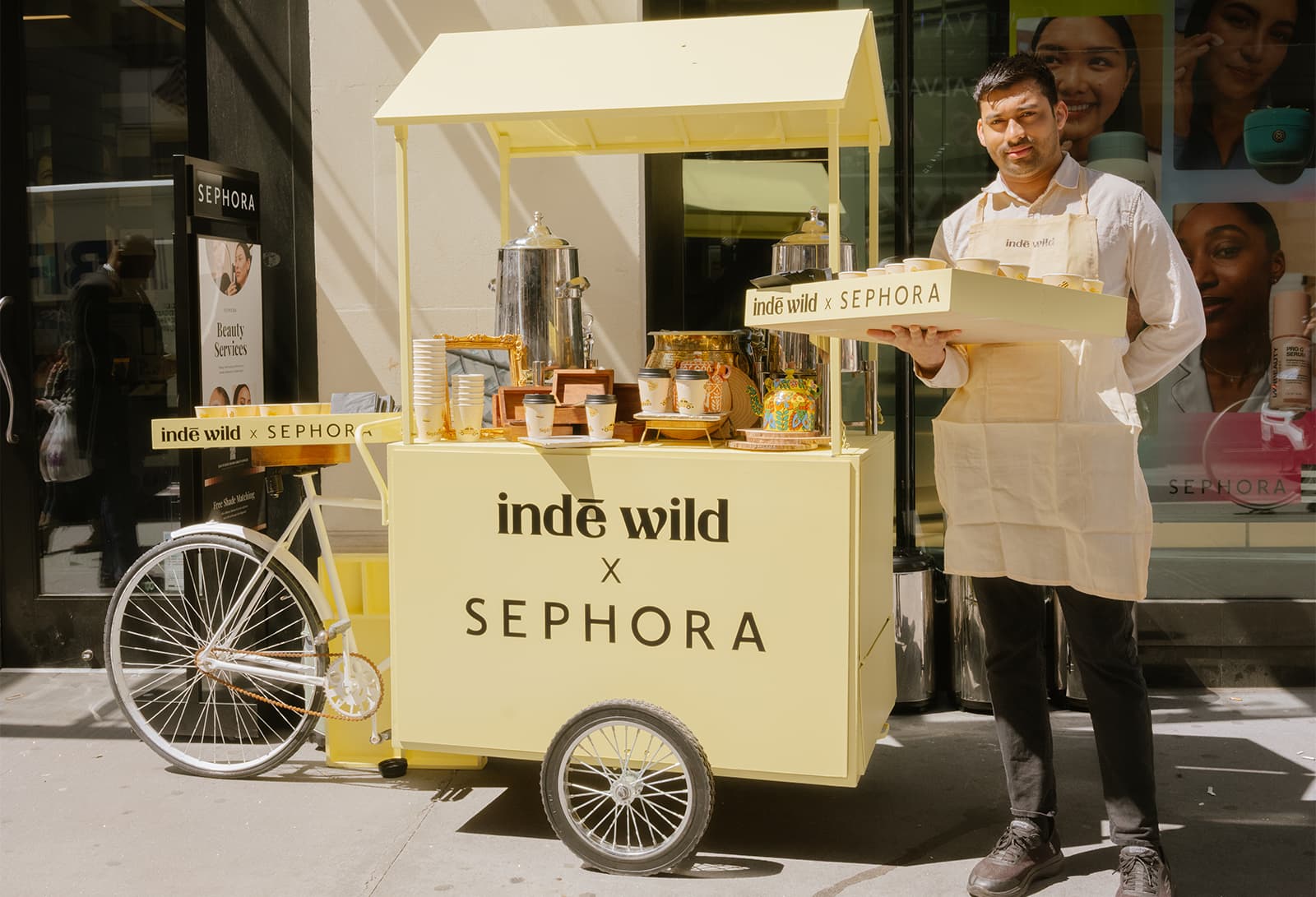
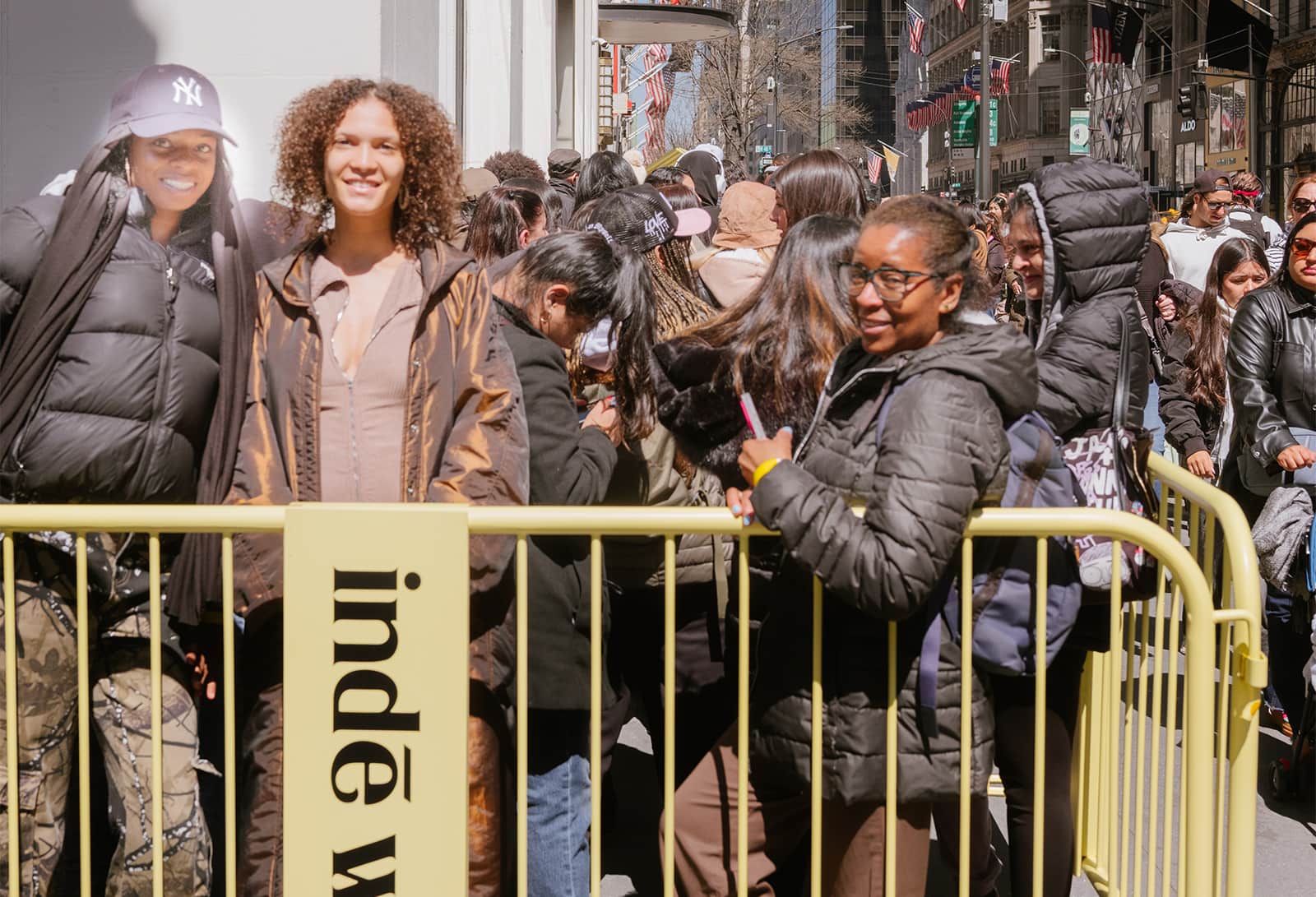
For brands like indē wild, the timing couldn’t be better. Built with homegrown ingredients, reimagined through a modern interpretation of Ayurveda, and engineered for a new generation, the brand perfectly encapsulates this moment. But riding a cultural wave is one thing; turning that into real commercial success is another. That’s where indē wild breaks through.
Currently, India’s diaspora population stands at approximately 35 million, out of which nearly 6 million reside in the US alone. This gives brands like indē wild access to a large consumer base who seek representation and familiarity, but through a modern, global, and culturally relevant lens.
“A big part of the resonance with the South Asian diaspora comes from a shared cultural tension, one I like to call the friction point,” said Büller-Khosla. She explained that there’s a generation of women globally who grew up deeply connected to their roots, to their mothers, their rituals, and their way of doing things, while also navigating independence, identity, and modern global culture in ways previous generations weren't able to. According to Büller-Khosla, indē wild sits right at that intersection. For diaspora consumers, herself included, the brand offers recognition and a sense of evolution—honoring where they come from while acknowledging where they’re going.
The brand’s Sephora success reflects a broader shift, where diaspora consumers are no longer minority, underserved audiences; rather, they are becoming powerful cultural drivers with the ability to shape purchasing behavior and drive real, global demand. Cultural influence is also increasingly filtering into Western purchasing habits, as Indian aesthetics and beauty rituals move from being viewed as traditional, niche, and uncool to aspirational, trendy, and very desirable.
“What’s been equally exciting is how many first-time consumers outside that community are discovering and connecting with the products purely based on efficacy and experience. In Indian culture, hair and scalp care have always been central, not secondary; it’s such a core part of how we care for ourselves. So while products like Champi feel deeply familiar to the diaspora, that same ritual and its results are what draw people from all backgrounds to try it. It’s very much a mix, and that is what's most exciting to see,” Khosla-Büller concluded.